Why Mosquitoes Breed in Standing Gutter Water
Mosquitoes in gutters are a familiar summer problem around Humble, and the cause is usually simple: water that should drain is sitting still. A gutter that sags, loses its slope or clogs with debris can hold a shallow pool long after a storm passes. This guide explains why that happens, how to check your gutters from the ground, and which repairs take the water away.
Mosquitoes need still water to reproduce. According to the EPA's mosquito life cycle page, the female lays eggs on or near water. The egg, larva and pupa stages all develop in water before the adult flies off. The same page notes that the full cycle can run from 4 days to as long as a month, depending on conditions.
That timeline is why a gutter matters. A gutter that drains soon after a storm gives mosquitoes nothing to work with. A gutter that holds a shallow pool in a shaded low spot can stay wet long enough for a new generation to develop, and every rain refills it.
The EPA's integrated mosquito control guidance names rain gutters among the standing water sources homeowners should get rid of. Mosquitoes in gutters are easy to miss because the water sits above eye level, hidden behind the gutter's front face. The Texas Department of State Health Services notes that a bite from an infected mosquito can spread West Nile virus.
What Makes a Gutter Hold Water After a Storm
Gutters are meant to slope toward each downspout outlet so water keeps moving. The U.S. Department of Energy's Building America gutter and downspout guide calls for a slope of at least 1/16 inch per foot of run. When a section loses that slope, water stops at the low point instead of reaching the outlet.
Several things cause that. Older spike-and-ferrule fasteners and hidden hangers can work loose over time, and the weight of wet debris pulls a section into a belly between them. A gutter can also be hung nearly level from the start, or get knocked out of line by a ladder or a falling branch.
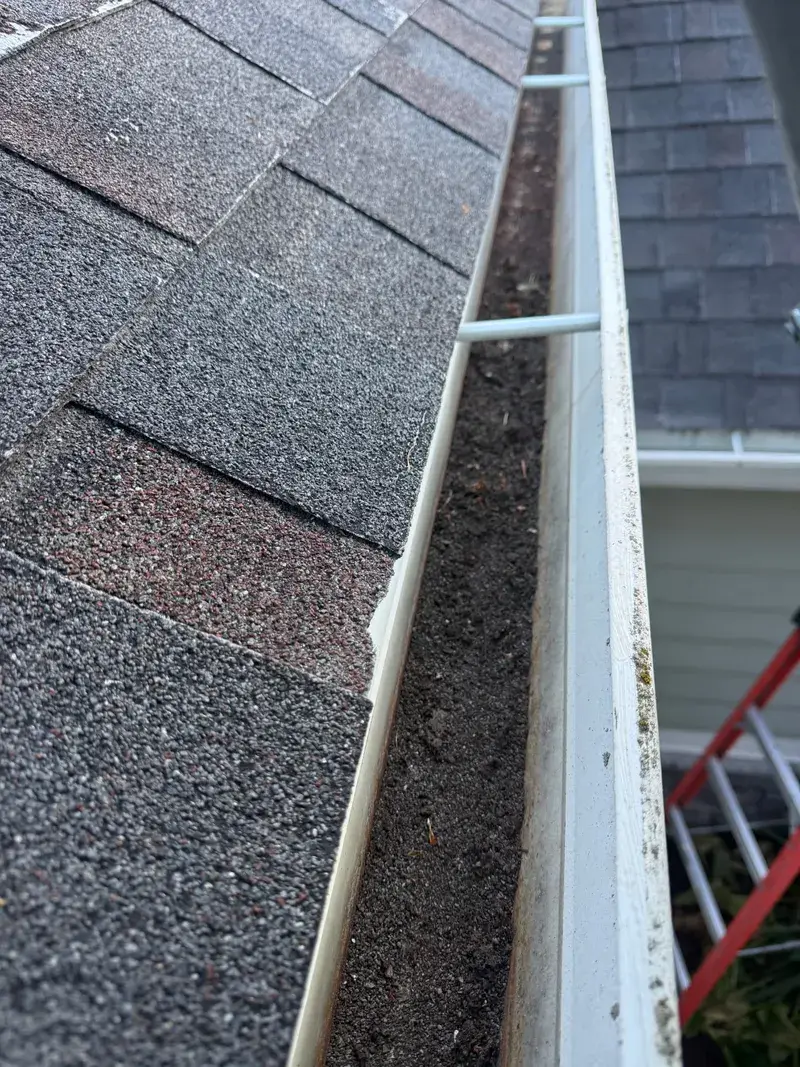
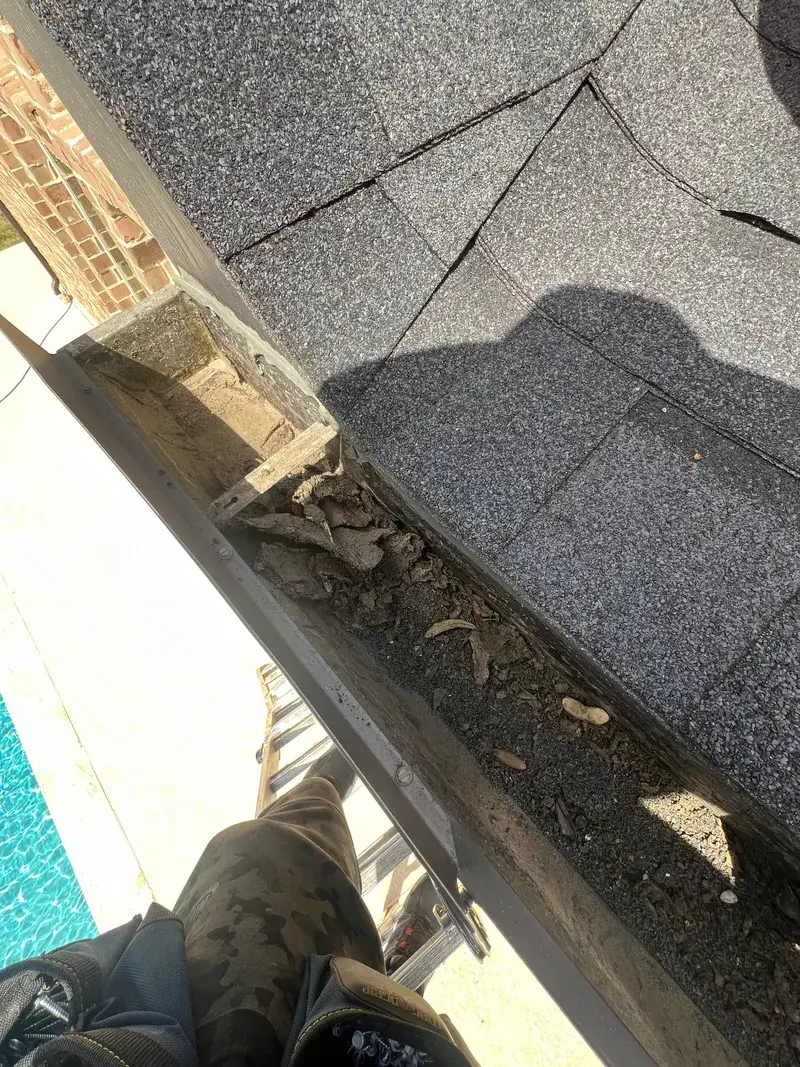
Clogs are the other half of the problem. Leaves, pine needles and shingle granules settle at the drop outlet or in a downspout elbow, and the mat acts like a dam. Even a partial clog leaves wet debris on the gutter floor that holds moisture like a sponge, which is how many cases of mosquitoes in gutters begin.
Houston summers add to the load. Heavy downpours arrive often, and the Atlantic hurricane season runs from June 1 to November 30, according to the National Hurricane Center. A gutter that does not fully drain between storms can stay wet for much of the season.
A Humble Scenario You Might Recognize
Picture a family in Humble who spends summer evenings on the back patio. They have tipped out the flowerpot saucers and refreshed the birdbath, yet mosquitoes still gather by the back door at dusk. After each afternoon storm, the gutter above the patio keeps dripping from one seam long after the rain stops, and a small green seedling pokes up over the gutter lip.
That pattern points to water sitting in the gutter. The late drip means a pool is draining slowly through a joint instead of running to the downspout. The seedling means there is enough wet debris in the trough for roots to take hold. Together, they suggest a low spot or a clogged outlet directly above the place where the family sits every evening.
How to Check Gutter Pitch From the Ground After Rain
If you suspect mosquitoes in gutters, the most useful time to check is a few hours after a storm ends. Walk around the house and watch each downspout. If a downspout has stopped flowing but the gutter above it still drips from a seam, a miter corner or an end cap, water is likely pooling somewhere in that run.
Next, look along the gutter line from a spot where you can see it against the fascia. A healthy gutter runs in a smooth, gentle line toward its outlet. A dip between hangers, a section that tips away from the fascia, or one end that sits lower than the outlet all suggest lost pitch.
An upstairs window can also help. From inside, you may be able to see into a first-floor gutter and spot standing water, floating debris or plants. Note which side of the house holds water and take photos, since that record makes any repair visit more focused.
Safety Notes
These checks do not require a ladder, and the ground is the safer place to start. If you do climb, follow the OSHA portable ladder safety guidance: set the ladder on a stable, level surface, keep three points of contact while climbing, and look for overhead power lines before moving it.
Wet rungs and wet roof edges are slippery after rain, so wait until surfaces dry. Do not lean a ladder against a sagging gutter or pull on a loose section to test it, because a weak hanger can let go under load. Debris in a neglected gutter can hide sharp metal edges and loose screws, so wear sturdy gloves if you handle it.
How Clean-Outs, Re-Pitching and Covers Stop Mosquitoes in Gutters
The fix starts with removing the water and whatever is holding it. A thorough gutter clean-out clears the debris mats, opens the outlets and confirms each downspout runs freely. When a clog is the only problem, that step alone can end the standing water.
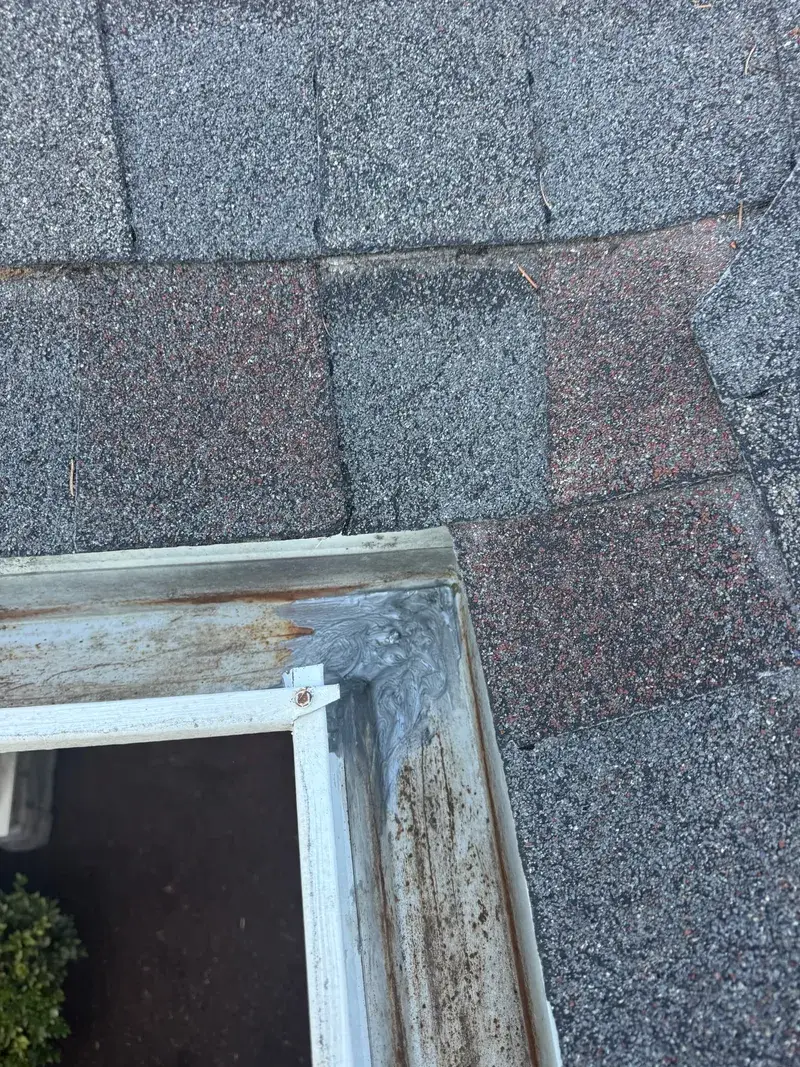
When the gutter itself sits wrong, cleaning is not enough. Re-hanging loose sections on sound fascia, adding hangers where they are too far apart, and resetting the slope toward each outlet falls under gutter and downspout repair. That work also covers leaking seams, blocked elbows and downspout extensions that dip and hold water. JAG Exteriors handles this work around Houston, including for homes in Humble.
Once the pitch is right, gutter covers and screens help keep leaves and pine needles from rebuilding the dams that trap water. Covers do not correct a sagging run, so the slope should be fixed first. Together, these steps remove the conditions that let mosquitoes in gutters take hold.
When to Call a Professional
Some gutter problems are easy to spot but hard to fix from the ground. Call a gutter professional when a run sags visibly between hangers, when water drips from seams hours after rain, or when a section has pulled away from the fascia. Those signs point to hanger, pitch or seam problems that need hands-on work at the roof edge.
A professional also makes sense for two-story gutters, sloped yards, or runs near overhead lines, where ladder work carries more risk. The same goes for homes under heavy pine and oak cover, where gutters refill with debris quickly after each storm. If the fascia board behind the gutter looks soft, stained or crumbling, a qualified carpenter or roofer should repair it before any gutter is re-hung.
Next Step: Clear the Standing Water in Your Humble Gutters
Before you reach out, note which gutter runs drip after rain, where you see sags or plants, and which downspouts stop flowing early. A few photos from the ground or an upstairs window help show the problem clearly. Then contact JAG Exteriors to schedule a gutter clean-out or repair visit for your home.
A visit can confirm whether the cause is a clog, lost pitch or both, and match the repair to what is actually wrong. Getting the water moving again is the most direct way to keep mosquitoes in gutters from coming back after the next storm. Mention the photos and notes when you book.
Frequently Asked Questions
Can mosquitoes really breed in gutters?
Yes. Mosquitoes lay eggs on or near standing water, and the EPA lists rain gutters among the places to clear. A gutter that holds water after a storm can support the egg, larva and pupa stages until it dries out.
How do I know my gutters are holding water?
Watch for drips from seams or corners hours after rain stops, plants growing along the gutter edge, or a visible dip in the gutter line. Any of these suggests water is pooling somewhere in that run.
Will gutter guards stop mosquitoes in gutters?
Guards and screens help by keeping out the leaves and needles that form dams. They do not fix a gutter that sags, so water can still pool under a cover if the pitch is off.
How often should gutters in Humble be cleaned?
It depends on the trees around the house. Homes under pines and oaks collect debris through much of the year, so their gutters need attention more often than gutters on an open lot. Checking after heavy storms and again after the fall needle drop is a sensible routine.