Knowing When Repair Is Not Enough
Gutters do not last forever. Even well-maintained systems eventually wear out from years of exposure to Texas sun, rain, wind, and temperature swings. The challenge for most homeowners is knowing when repairs make sense versus when it is time for full replacement.
As a general rule, aluminum gutters last 20 to 30 years, galvanized steel gutters last 15 to 25 years, and copper gutters can last 50 years or more with maintenance. But these are best-case numbers — Texas weather often shortens those timelines. If your gutters are showing any of the following five signs, replacement is likely the smarter investment.
1. Persistent Sagging or Pulling Away From the House
A gutter that sags in the middle or pulls away from the fascia board is no longer draining properly. When gutters sag, water pools in the low spots instead of flowing toward downspouts. This adds even more weight, accelerating the problem.
Minor sagging can sometimes be fixed by replacing hangers or brackets. But if the sagging has been happening for a while, the gutter material itself may be warped or stretched. Once aluminum gutters lose their shape, they cannot be bent back to original form. And if the fascia wood behind the gutter is rotted from prolonged moisture exposure, you will need to replace both the fascia and the gutter system.
In Houston and Dallas-Fort Worth, heavy spring storms can dump several inches of rain in an hour. Sagging gutters that might seem like a minor issue during light rain become a serious overflow problem during these events.
2. Multiple Leaks at Joints and Seams
Sectional gutters — the type with joints every 10 to 20 feet — develop leaks at those joints over time. Sealant deteriorates, metal expands and contracts with temperature changes, and connections loosen. A single leaking joint can usually be resealed. But when multiple joints are leaking, you are fighting a losing battle.
Each repair is a temporary fix that buys a few months before the next joint fails. If your gutters have three or more leaking joints, replacing the system with seamless gutters eliminates the problem entirely. Seamless gutters are fabricated in one continuous piece for each run of your roofline, so there are no joints to leak — only connections at corners and downspouts.
3. Visible Rust, Holes, or Cracks
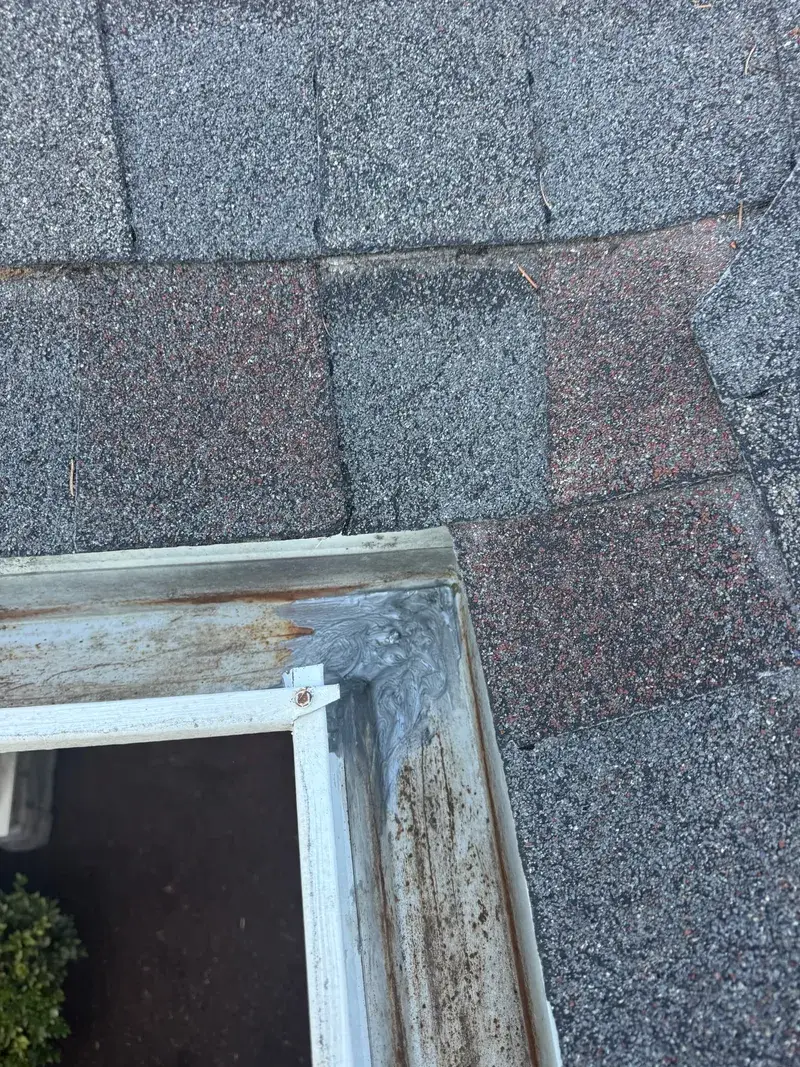
Rust is the death sentence for galvanized steel gutters. Once the protective coating wears through and rust takes hold, it spreads steadily through the metal. Small rust spots can be patched temporarily, but they indicate that the gutter material has reached the end of its useful life. Holes and cracks in any gutter material — whether from rust, impact damage, or age — mean water is escaping before it reaches the downspout.
If you are patching holes or applying sealant to cracks more than once a year, the cumulative cost of repairs will soon exceed the cost of replacement. New seamless aluminum gutters are rust-resistant and typically come with manufacturer warranties of 20 years or more.
4. Water Damage or Staining on Your Siding and Foundation
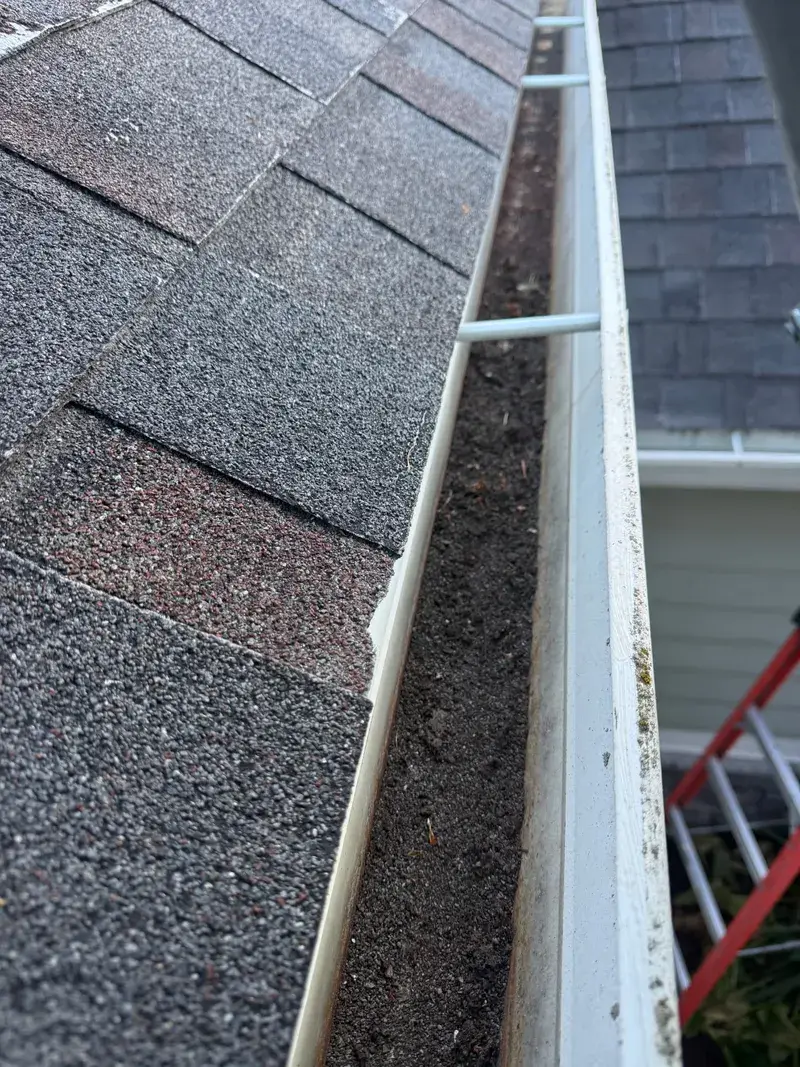
Sometimes the gutters themselves look fine from the ground, but the evidence of failure shows up elsewhere. Look for water stains, mildew, or paint peeling on your siding directly below the gutter line. Check for erosion channels in your landscaping where water has been dripping or overflowing consistently.
Most critically, inspect the soil around your foundation. In Texas, foundation health depends on consistent moisture levels in the surrounding soil. When gutters fail to direct water away from the foundation, the clay soil expands during wet periods and contracts during dry periods, creating movement that cracks slabs and pier-and-beam foundations alike. If you are seeing new cracks in interior walls or doors that suddenly stick, your gutters may be the root cause.
Replacing failing gutters now — before foundation damage progresses — is one of the most cost-effective decisions a Texas homeowner can make. Foundation repair averages $4,000 to $12,000, while a full gutter replacement runs $1,000 to $3,500 for most residential homes.
5. Your Gutters Are Over 20 Years Old
If your gutters are approaching or past the 20-year mark and you are experiencing any of the issues above, replacement is almost certainly the right call. Even if they look acceptable from the ground, older gutters often have hidden issues — corroded hangers, weakened seams, or undersized downspouts that were standard decades ago but are inadequate for current building codes and Texas rainfall intensity.
Modern seamless gutter systems are stronger, better fitted, and more efficient at handling water volume than the sectional systems installed in most homes built before 2005. Upgrading also gives you the opportunity to right-size your system — many older homes in Houston and Dallas have 5-inch gutters that would perform significantly better with 6-inch gutters, especially on roof sections with large surface areas.
What to Do Next
If you recognized your gutters in one or more of these signs, the next step is a professional inspection. A gutter specialist can assess whether targeted repairs will extend your system's life or whether full replacement is the better investment.
JAG Exteriors provides free on-site gutter inspections across Houston and Dallas-Fort Worth. We will give you an honest assessment — if repairs make sense, we will tell you. If replacement is the right call, we will provide a detailed written estimate with material options, pricing, and a clear timeline. No pressure, no obligation.
Frequently Asked Questions
How much does gutter replacement cost in Texas?
Most residential gutter replacements in Houston and Dallas-Fort Worth cost between $1,000 and $3,500, depending on home size, material choice, and roof complexity. Seamless aluminum is the most popular and cost-effective option.
How long does gutter replacement take?
Most residential gutter replacements are completed in a single day. Larger or multi-story homes may take two days. We fabricate seamless gutters on-site for a precise fit.
Should I repair or replace my gutters?
If your gutters have one or two minor issues (a single leak, a loose bracket), repair usually makes sense. If you are dealing with multiple problems — sagging, several leaks, rust — replacement is typically more cost-effective than ongoing repairs.