Texas Storm Season Is Hard on Gutters
Spring and early summer bring the most violent weather of the year to Texas. Dallas-Fort Worth sits in the heart of hail alley, where stones the size of golf balls or larger are a regular occurrence. Houston and the Gulf Coast get torrential downpours, straight-line winds, and the leading edge of tropical systems. Your gutters take the brunt of all of it.
Storm damage to gutters is easy to overlook because it often looks minor from the ground. But a dented, loosened, or knocked-loose gutter no longer drains the way it should — and left unaddressed, it channels water exactly where you do not want it. After any severe storm, a quick inspection can catch problems before they turn into fascia rot or foundation issues.
Hail Damage: Dents and Cracks
Hail is the most common storm damage we see in the Dallas-Fort Worth area. Look for dents and dimples along the top surface and front face of your gutters, and along downspouts. Softer materials like aluminum dent more easily; steel resists dents but can crack at seams under a hard enough impact.
Dents are more than cosmetic. They disrupt the smooth flow of water, create low spots where debris and standing water collect, and can crack the protective finish, exposing the metal to corrosion. Widespread hail dents on an older gutter system often push it past the point where repair makes sense — but a professional can tell you whether targeted repair or replacement is the better value.
Wind and Water Damage: Loose and Sagging Sections
High winds and heavy water load loosen gutters from the fascia. After a storm, look for sections that are sagging, pulling away from the house, or hanging at an angle. Check whether downspouts have been knocked loose or separated from the gutter or the wall. Even a gutter that looks intact may have had its hangers loosened by the force of wind-driven water.
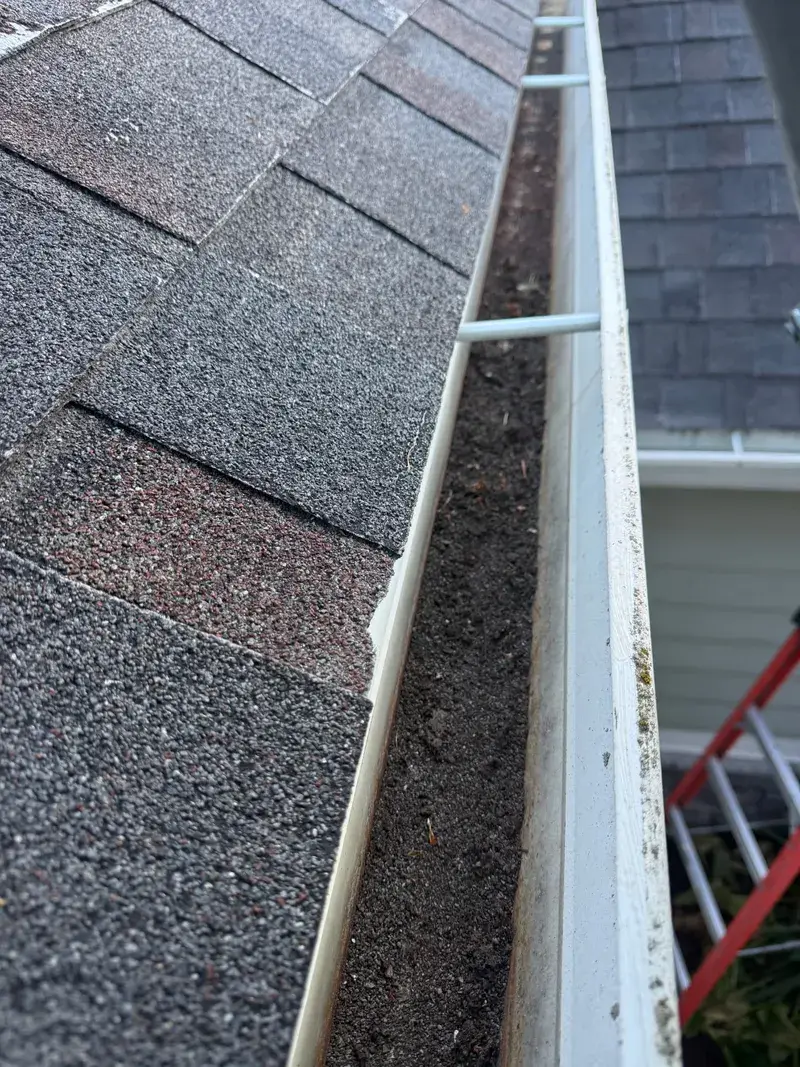
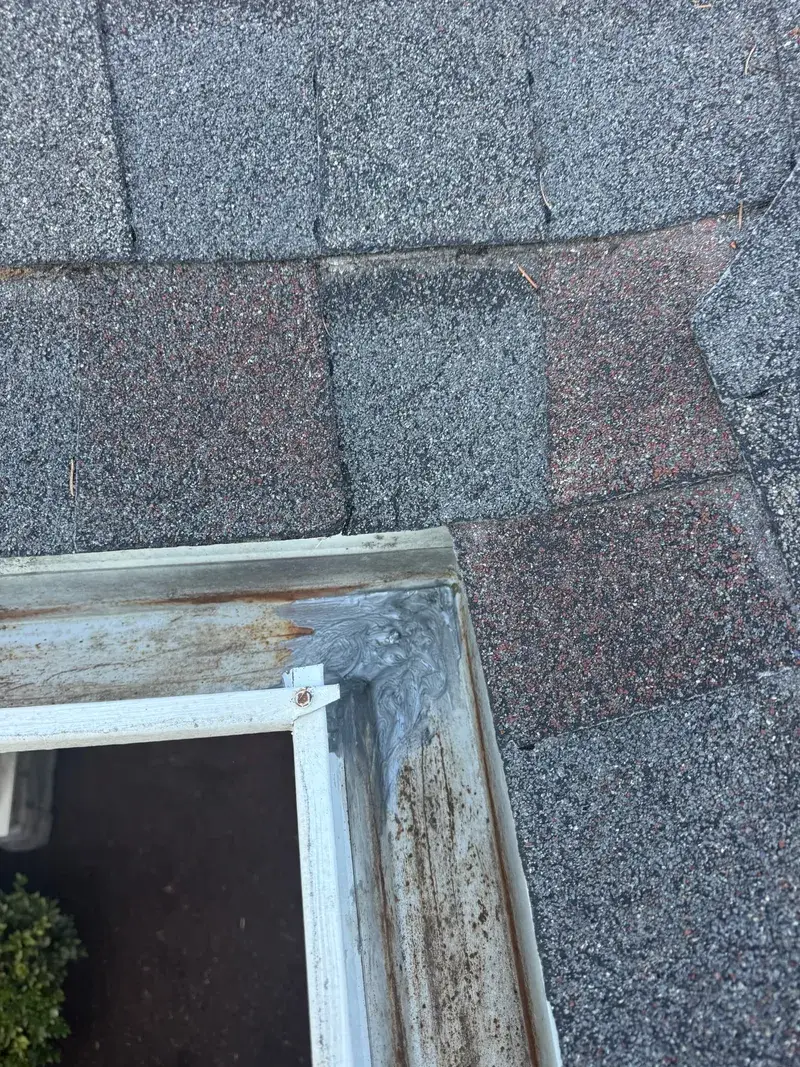
Also look for granules from asphalt shingles collecting in the gutters — a sign the storm stripped your roof surface — and for dents or separation at corners and joints, which are the weakest points in any system. Water stains on the fascia or siding after the storm mean water escaped where it should not have.
Signs the Damage Is Already Costing You
Some storm damage shows up as overflow during the next rain rather than as visible dents. If your gutters overflowed during a storm that was not exceptionally heavy, something is wrong — a clog, a crushed downspout, or a section knocked out of proper slope. Puddling near the foundation after a normal rain is a red flag in Texas, where our clay soil reacts badly to inconsistent moisture.
Interior clues matter too. Water spots on ceilings or in the attic near the roofline, and doors or windows that suddenly stick, can trace back to gutters that stopped moving water away from the house after a storm.
When to Call a Professional
Minor issues — a single loose hanger, a downspout that popped off — are sometimes DIY fixes. But widespread hail dents, multiple sagging sections, separated joints, or any damage on a multi-story home warrant a professional inspection. It is also worth documenting storm damage with photos before repairs, since it may be covered by your homeowner's insurance.
JAG Exteriors provides free post-storm gutter inspections across Houston and Dallas-Fort Worth. We will assess the damage honestly, document it for your records, and tell you whether a repair will restore the system or whether replacement is the smarter investment. Request an inspection after your next storm.
Frequently Asked Questions
Does homeowner's insurance cover gutter storm damage?
Often, yes — many policies cover storm and hail damage to gutters, especially in Texas hail zones. Document the damage with photos before repairs and check your policy's deductible and coverage terms. We can provide documentation to support a claim.
How do I know if hail damaged my gutters?
Look for dents and dimples on the top and front faces of gutters and downspouts, cracked finishes, and shingle granules collecting in the gutters. Damage that causes overflow or standing water during the next rain confirms it's affecting function, not just appearance.
Can dented gutters still be used?
Light cosmetic dents may not affect function, but significant dents create low spots that trap water and debris and can crack the protective finish. Widespread hail damage on older gutters often means replacement is more cost-effective than repair. An inspection will tell you which.