Why Summer Is the Right Time for a Gutter Check
Summer sits at a strategic point in the Texas weather calendar. The heavy spring storm season has passed, leaving behind whatever debris and damage it caused, and hurricane season is just ramping up. A mid-year gutter check lets you clean up after spring and get ready for what the rest of the year brings — all while the weather is dry enough to do the work safely.
This checklist covers the essentials every Houston and Dallas-Fort Worth homeowner should run through in summer. None of it is complicated, but skipping it is how small problems become expensive ones by fall.
Clean Out Spring's Leftovers
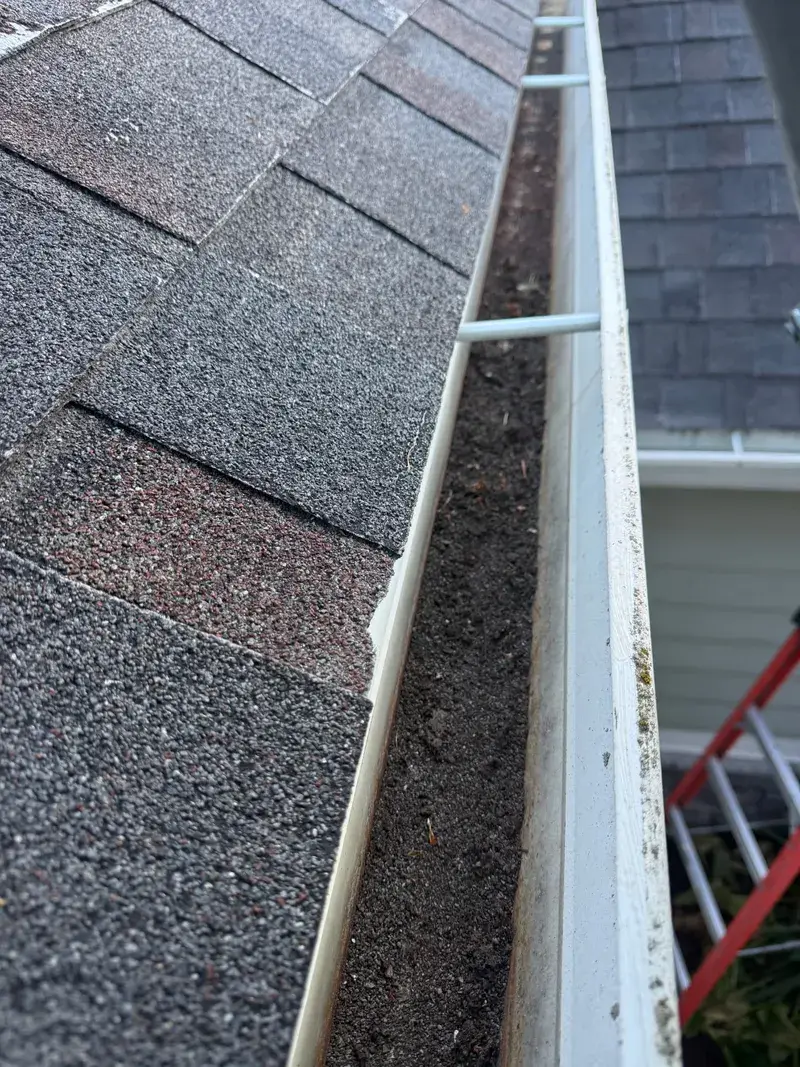
Spring dumps a specific set of debris into gutters — live oak catkins, seed pods, pollen clumps, and the leaves and twigs that storms knock loose. Much of it settles into the gutters and downspouts over the season. Clear the full channel by hand, then flush every downspout with a hose to confirm water runs all the way through.
Pay attention to what you find. A lot of shingle granules in the gutter can signal your roof took a beating in spring storms. Compacted debris at the downspout outlets is a sign you may need more frequent cleaning or gutter guards.
Inspect for Storm Damage
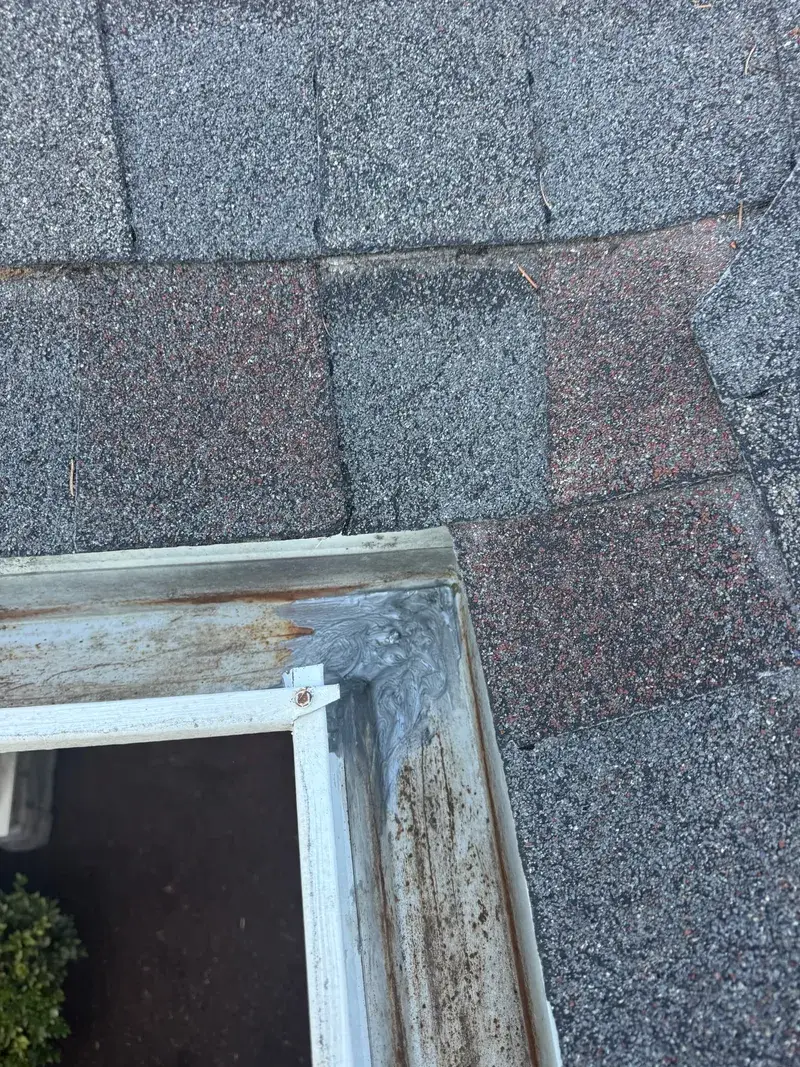
Spring is the most destructive weather season in Texas, so summer is when you assess the aftermath. Walk the perimeter and look for dents from hail, sagging or loose sections from wind, separated joints, and downspouts knocked out of alignment. Check the fascia behind the gutters for any staining or soft spots that point to water getting where it should not.
If you find hail damage, document it with photos — it may be covered by insurance, and claims are easier when you have a clear before-repair record. Address loose hangers and separated joints now, while the weather is calm.
Test the System and Check Drainage
Run water through the gutters with a hose and watch how they behave. Water should flow smoothly toward the downspouts with no pooling in the middle of runs — pooling means a slope problem. At the downspouts, confirm water exits freely and, importantly, that it discharges well away from your foundation.
Check that downspout extensions and splash blocks are still in place and directing water at least a few feet from the house. In Texas clay soil, water discharging right at the foundation is a summer-into-fall risk you want to eliminate now, before the heavy rains return.
Get Ahead of the Second Storm Season
A summer gutter check is your chance to catch problems while the weather cooperates and to make sure your system is ready for hurricane season and fall rains. Clean, inspect, test the flow, and fix the small stuff now — it is far cheaper than reacting to damage later.
If you would rather not spend a Texas summer day on a ladder, JAG Exteriors offers professional clean-outs and inspections across Houston and Dallas-Fort Worth, including recurring bi-annual and quarterly plans that keep your gutters maintained year-round automatically. Request a summer clean-out or inspection and cross it off your list.
Frequently Asked Questions
Should I clean my gutters in summer?
Yes. Summer is an ideal time to clear out spring's debris — catkins, seed pods, storm leaves — and to inspect for damage before hurricane season and fall rains. Doing it in the dry summer weather is safer than waiting until storms return.
What should a summer gutter check include?
Clean the channel and flush downspouts, inspect for hail and wind damage, check the fascia for water stains, test the water flow for pooling or slope issues, and confirm downspouts discharge well away from the foundation.
How often should Texas gutters be cleaned?
At least twice a year for most homes — typically late spring and late fall. Homes with heavy tree coverage often need quarterly cleaning. A summer check-in between the two main cleanings helps catch storm damage and clogs early.