Size Is About Water Volume, Not Just Looks
Most residential gutters come in two sizes: 5-inch and 6-inch. The difference sounds small, but it has an outsized effect on how much water your system can move — and in Texas, where a single storm can drop several inches of rain in an hour, that capacity is the whole ballgame.
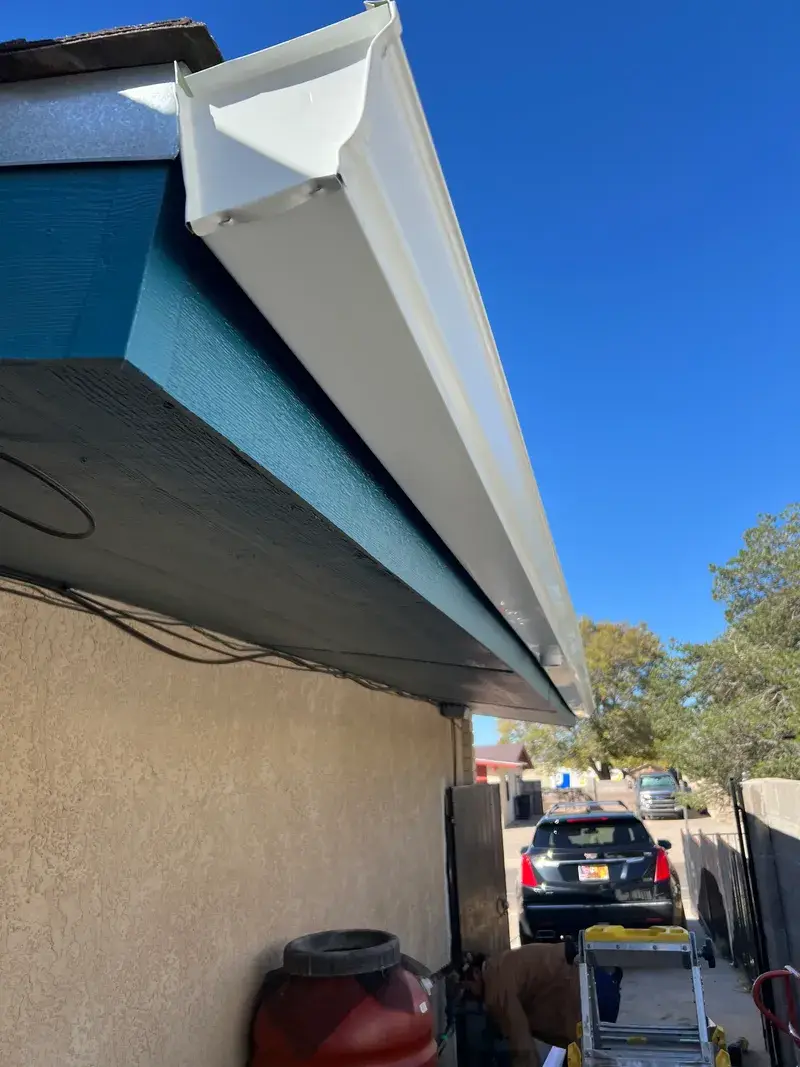
A 5-inch K-style gutter has been the residential standard for decades. But standards were set for average conditions, and Houston and Dallas-Fort Worth are not average when it comes to rainfall intensity. For many Texas homes, 6-inch gutters are the better match.
How Much More Water a 6-Inch Gutter Handles
A 6-inch gutter holds roughly 40 percent more water than a 5-inch gutter, and it pairs with larger 3-inch by 4-inch downspouts that move water out about 25 percent faster than the standard 2-inch by 3-inch downspouts used with 5-inch systems. Combined, that is a substantial jump in capacity.
That extra capacity is what keeps water in the channel during the high-intensity downpours common across the region. When a 5-inch system is overwhelmed, water sheets over the front edge and runs down your siding and against your foundation — the exact damage gutters exist to prevent.
Which Homes Need 6-Inch Gutters
Not every home needs to upsize. The factors that push you toward 6-inch gutters are large roof surface area, steep roof pitch, long roof runs draining to few downspouts, and simply living in a high-rainfall zone — which describes essentially all of the Houston and Dallas-Fort Worth metros.
Homes with big, complex rooflines in areas like Katy, Cypress, and the newer Dallas suburbs benefit most, because more roof means more water funneled into the same gutter. If your current 5-inch gutters overflow during ordinary storms, that is your roof telling you it needs more capacity.
The Cost Difference Is Smaller Than You Think
Six-inch gutters cost somewhat more than 5-inch — the material is larger and the downspouts are bigger — but the difference is modest relative to the total project, typically a small percentage of the overall install cost. For a system you expect to last 20 to 30 years, paying a little more for capacity that prevents overflow and foundation damage is usually the better long-term decision.
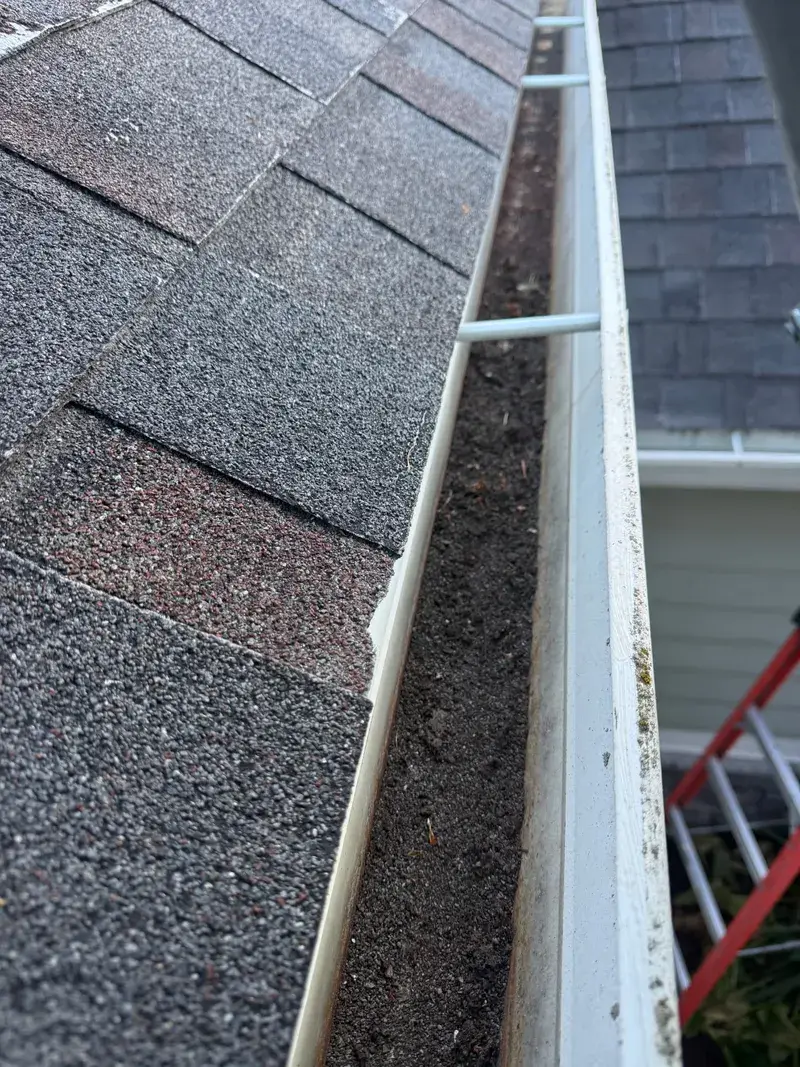
There is also the maintenance angle: wider gutters are less prone to clogging because debris has more room to move toward the downspout with the water flow. That means fewer overflow events and less frequent cleaning.
Get the Right Size for Your Roof
The correct gutter size is not a guess — it is a calculation based on your roof's square footage, pitch, and your local rainfall intensity. A professional sizes the system to your specific home rather than defaulting to whatever is standard.
JAG Exteriors calculates the right gutter and downspout size for every installation we do across Houston and Dallas-Fort Worth. If your current gutters overflow, we will tell you whether upsizing solves it and provide a written estimate for the upgrade. Request a free on-site assessment to get sized correctly.
Frequently Asked Questions
Are 6-inch gutters worth it in Texas?
For most Texas homes, yes. The higher rainfall intensity in Houston and Dallas-Fort Worth overwhelms standard 5-inch gutters on larger or steeper roofs. Six-inch gutters carry about 40% more water and are far less likely to overflow during heavy storms.
How much more do 6-inch gutters cost?
Six-inch gutters cost modestly more than 5-inch because of the larger material and downspouts, but the difference is a small percentage of the total project. Given the added capacity and reduced overflow risk, it's usually worth it over the system's 20–30 year life.
Do bigger gutters clog less often?
Yes. Wider 6-inch gutters give debris more room to flow toward the downspout with the water, so they clog less frequently than 5-inch gutters. Paired with larger downspouts, they move both water and debris more efficiently.