Clean Gutters That Still Overflow Point to a Design Problem
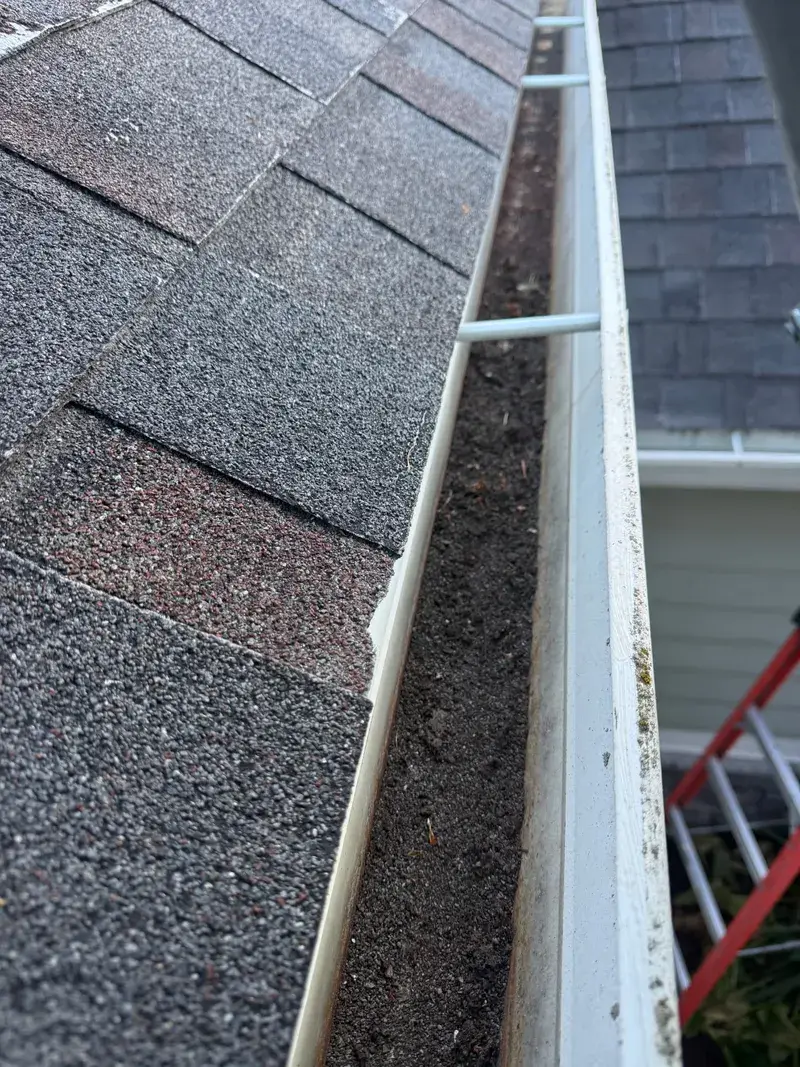
It is one of the more frustrating things a homeowner can experience: you cleaned your gutters, the channel is clear, and yet water still sheets over the edge during a hard Texas rain. When clean gutters overflow, the problem is almost never debris — it is a design or installation issue. And in Houston and Dallas-Fort Worth, where rainfall intensity is among the highest in the country, these problems show up fast.
There are four common culprits: undersized gutters, incorrect slope, too few or clogged downspouts, and water overshooting from a steep roof. Diagnosing which one you have is the key to fixing it permanently.
Undersized Gutters Can't Keep Up
The most common cause of overflow on clean gutters is simply that they are too small for the volume of water your roof sheds. Many older Texas homes have standard 5-inch gutters that were adequate when they were installed but cannot handle the intensity of the storms we get now — 2 to 3 inches of rain in an hour is not unusual during a Houston thunderstorm.
The fix is upsizing to 6-inch gutters, often paired with larger 3-inch by 4-inch downspouts. A 6-inch gutter carries roughly 40 percent more water than a 5-inch, which is frequently the difference between a system that overflows and one that keeps up during the heaviest downpours.
Wrong Slope and Too Few Downspouts
Gutters need a slight, consistent slope toward the downspouts — about a quarter inch for every 10 feet — so water actually moves instead of pooling. If a run is level or sloped the wrong way, water collects in the middle and spills over the front edge even when the channel is spotless. Slope problems develop as hangers loosen and sections sag over the years.
Downspout capacity matters just as much. If your roofline has long runs draining into a single downspout, that outlet becomes a bottleneck during heavy rain. Adding downspouts, or upsizing the existing ones, gives the water somewhere to go. A clogged or crushed downspout — clear gutter, blocked outlet — produces the same overflow.
Water Overshooting From a Steep Roof
On homes with steep roof pitches, rainwater can build up so much speed coming down the slope that it launches right over the gutter during heavy rain — the gutter never had a chance to catch it. This is common on two-story homes and certain architectural styles across both metros.
The fixes here are specific: adding gutter guards or a properly positioned drip edge to redirect the flow, repositioning the gutter slightly, or installing gutter aprons that guide fast-moving water into the channel. This is a case where a professional assessment pays off, because the wrong fix will not solve it.
Get to the Real Cause
If your gutters overflow after cleaning, do not just clean them again — the debris was never the problem. The solution is diagnosing which design or installation issue is at play and correcting it, whether that means upsizing gutters, adding downspouts, re-establishing proper slope, or redirecting overshoot.
JAG Exteriors will inspect your system during a rain-flow assessment, identify exactly why it is overflowing, and recommend the most cost-effective fix. Sometimes it is a simple downspout addition; sometimes it is a resize. Either way, we will give you a straight answer and a written estimate. Request a free assessment and stop cleaning gutters that were never the issue.
Frequently Asked Questions
Why do my gutters overflow when they're not clogged?
The most common reasons are undersized gutters, incorrect slope, too few or clogged downspouts, or water overshooting from a steep roof. In Texas, high rainfall intensity makes undersized 5-inch gutters a frequent culprit — upsizing to 6-inch often solves it.
Will bigger gutters stop overflow?
Often, yes. A 6-inch gutter carries about 40% more water than a 5-inch, and pairing it with larger downspouts handles the high-volume storms common in Houston and Dallas-Fort Worth. It's one of the most effective fixes for chronic overflow.
How many downspouts do I need?
As a general rule, one downspout per 30–40 feet of gutter, but high-rainfall areas and large roof sections may need more. If long runs drain into a single downspout, adding outlets relieves the bottleneck that causes overflow during heavy rain.